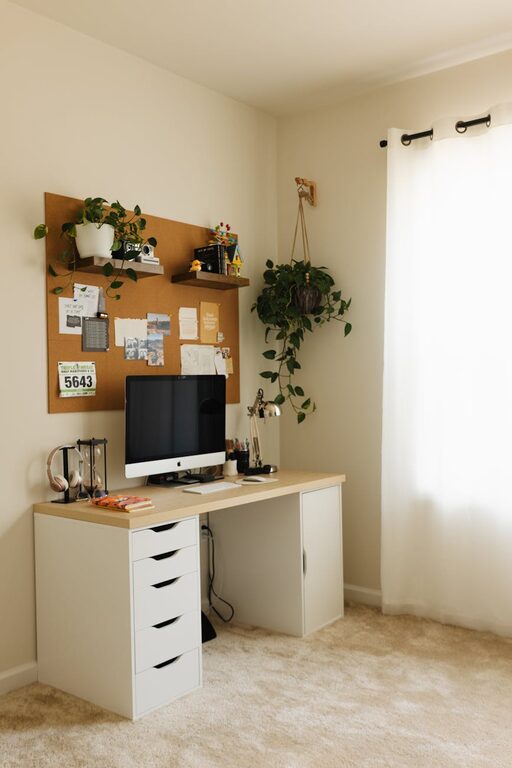
Creating a home office that feels both cozy and productive can significantly improve your work-from-home experience. Whether you’re a freelancer, remote employee, or running your own business, the right environment helps you focus, stay motivated, and maintain a healthy work-life balance. Below, we explore practical tips and ideas to transform your home office into a comfortable, efficient workspace.
1. Choose the Right Location
The first step is selecting the ideal spot in your home for your office. Consider the following:
– Natural light: A location near a window offers natural daylight, which can boost mood and energy.
– Quiet area: Pick a spot away from noisy appliances or high-traffic rooms.
– Space: Ensure there’s enough room for your desk, chair, and storage without feeling cramped.
If space is limited, a corner or a section of a larger room can work well when properly defined.
2. Invest in Ergonomic Furniture
Comfort plays a significant role in productivity. Investing in ergonomic furniture can prevent discomfort and health issues, such as back pain.
– Ergonomic chair: Look for adjustable height and lumbar support to maintain good posture.
– Desk height: Whether a fixed or adjustable desk, ensure your arms can rest comfortably at about a 90-degree angle.
– Footrest: If your feet do not reach the floor, a footrest can improve circulation and comfort.
3. Optimize Lighting
Good lighting reduces eye strain and keeps you alert.
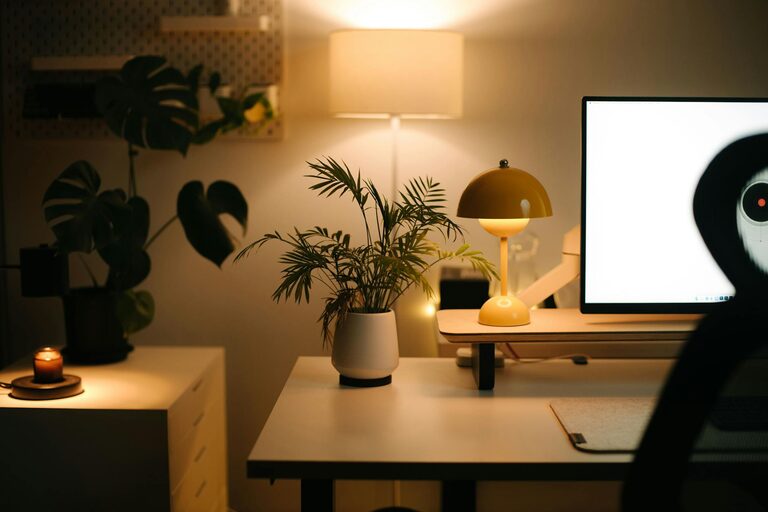
– Combine natural and artificial light: Use daylight as much as possible and complement it with soft, warm LED lamps.
– Adjustable desk lamp: A lamp with adjustable brightness and direction helps customize your workspace lighting.
– Avoid glare: Position your computer screen to minimize reflections and glare from windows or lights.
4. Organize and Declutter
A tidy desk creates a clear mind. Organize your workspace with storage solutions to avoid clutter.
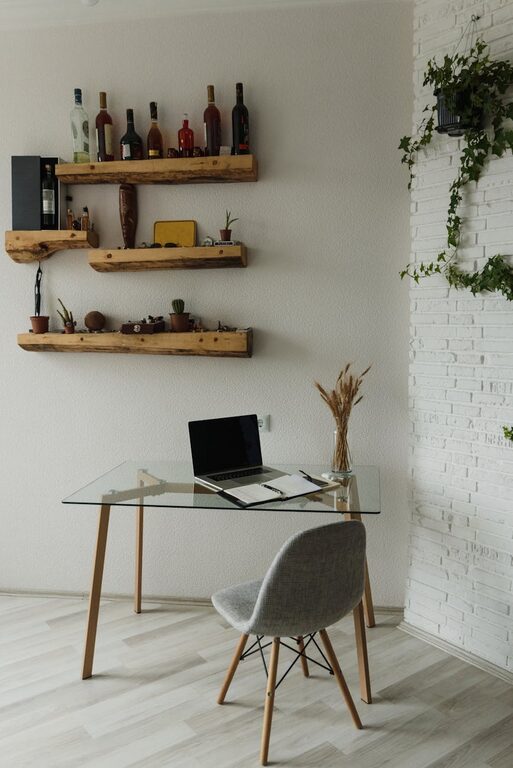
– Use shelves and drawers: Store documents, stationery, and equipment neatly.
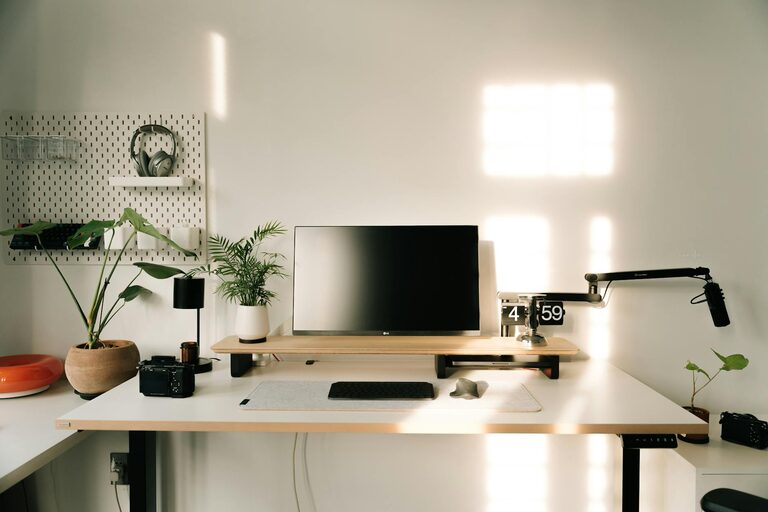
– Cable management: Use clips or cable organizers to keep cords untangled.
– Minimalist approach: Keep only essentials on your desk to avoid distractions.
5. Personalize Your Space
Adding personal touches can increase comfort and motivation without reducing professionalism.
– Plants: Indoor plants improve air quality and add a refreshing vibe.
– Artwork or photos: Display calming or inspiring artwork and personal photos.
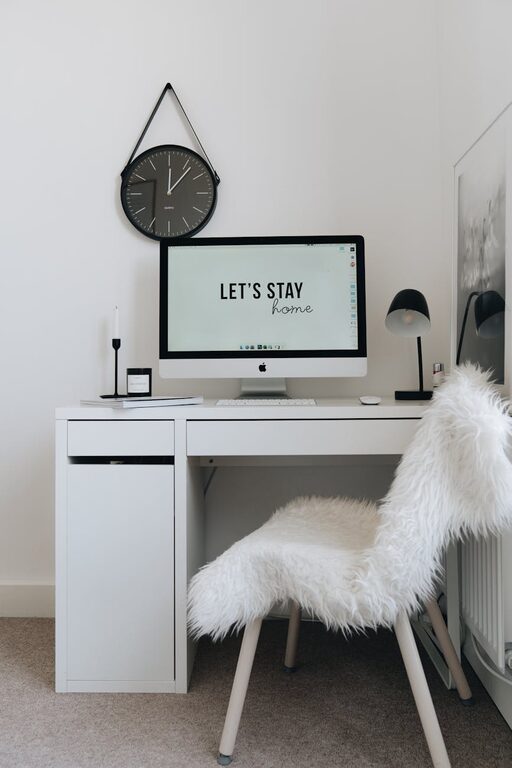
– Comfort items: Consider a cozy blanket, cushion, or even a small diffuser with your favorite scent.
6. Manage Noise Levels
A certain level of quiet helps productivity, but some prefer background sounds.
– Noise-cancelling headphones: Perfect for focusing in noisy environments.
– Background music: Low-volume instrumental music or nature sounds can improve concentration.
– Soundproofing: Adding rugs, curtains, or acoustic panels can reduce echo and noise.
7. Set Boundaries and Routine
Creating a comfortable space goes hand in hand with setting clear boundaries and routines.
– Defined work hours: Establish start and end times for your workday to maintain balance.
– Workspace rules: Let family or housemates know your working hours and the importance of minimizing interruptions.
– Break area: Step away from your workspace during breaks to refresh your mind.
8. Invest in Technology and Tools
Reliable technology helps keep your workflow smooth.
– High-speed internet: Ensure a stable connection to avoid frustration.
– Quality peripherals: Consider an external mouse, keyboard, or second monitor to improve comfort and efficiency.
– Regular backups: Use cloud storage or external drives to protect your work.
9. Incorporate Movement and Fresh Air
To stay energized, move regularly and welcome fresh air.
– Standing breaks: Alternate between sitting and standing if possible.
– Stretching: Take short breaks to stretch and relieve tension.
– Ventilation: Open windows when possible to refresh the room.
—
Creating a cozy and productive home office is about balancing comfort with function. By carefully selecting your workspace, investing in ergonomic furniture and proper lighting, keeping organized, and personalizing your environment, you can create a home office that supports your productivity and well-being. Remember to communicate boundaries clearly and maintain a routine that includes breaks and movement. With these tips, you can enjoy a workspace that not only works but also feels good to be in every day.