
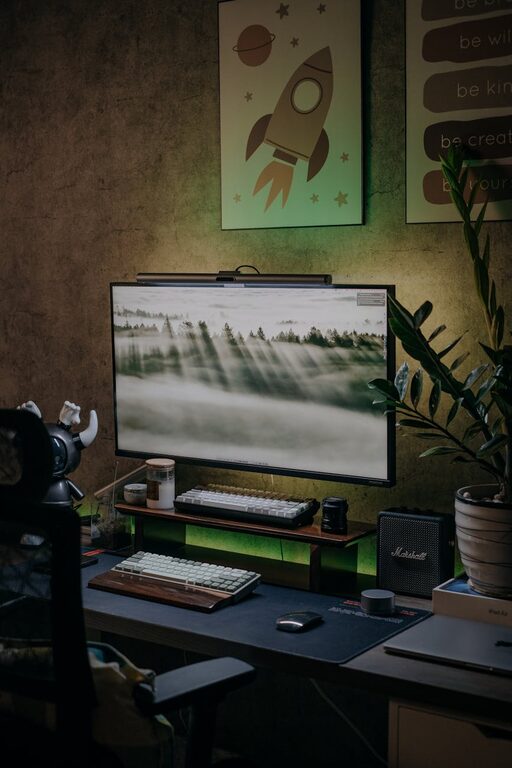
Creating a home office that feels cozy and inviting is key to fostering both productivity and well-being during your workday. Whether you work remotely full-time or occasionally need a dedicated space for tasks, a thoughtfully designed home office can make all the difference.
In this post, we explore practical tips and ideas to help you set up a workspace that’s comfortable, organized, and motivating. Follow these suggestions to turn any corner of your home into a place you enjoy spending time in.
1. Choose the Right Location
Selecting the right spot for your office is the first step towards comfort.
– Natural light: Position your desk near a window if possible. Natural daylight boosts mood and energy.
– Quiet environment: Pick a space away from noise and distractions to help maintain focus.
– Adequate space: Ensure there’s enough room for your desk, chair, and needed equipment without feeling cramped.
Even small areas can work well if you plan carefully.
2. Invest in Comfortable Furniture
Ergonomics matter when you spend hours working.
– Supportive chair: Choose an adjustable chair with good back support to prevent discomfort.
– Functional desk: A desk with enough surface space for your computer, papers, and accessories helps keep things organized.
– Optional extras: Consider a footrest or adjustable monitor stands to improve posture.
Comfortable furniture reduces fatigue and keeps you energized.
3. Use Warm and Soothing Colors
Color impacts how you feel in a space.
– Soft tones: Colors like warm beige, muted greens, or gentle blues promote relaxation and calm.
– Accent colors: Add pops of color with accessories such as cushions, rugs, or wall art to lift the mood.
– Consistent palette: Keep your chosen color scheme consistent to create a harmonious atmosphere.
Avoid overly bright or harsh colors that might cause stress.
4. Personalize Your Workspace
Adding personal touches makes the space feel welcoming and more connected to you.
– Photos or artwork: Display pictures of loved ones or prints you enjoy.
– Plants: Indoor plants not only beautify the room but also improve air quality.
– Meaningful objects: Include items that inspire or motivate you, like books or souvenirs.
Personalisation helps make the office uniquely yours.
5. Maximize Lighting Options
Good lighting supports both comfort and productivity.
– Layered lighting: Combine natural light with overhead and task lighting, like desk lamps.
– Adjustable lamps: Use lamps with adjustable brightness and direction to reduce eye strain.
– Avoid glare: Position screens and lights to prevent reflections or harsh shadows.
Control over lighting lets you adapt the environment to your needs throughout the day.
6. Keep Clutter Under Control
A tidy workspace enhances focus and reduces stress.
– Storage solutions: Use shelves, drawers, and organizers to keep supplies and documents out of sight.
– Daily tidying: Spend a few minutes at the end of each day clearing your desk.
– Minimalism: Only keep essential items on your desk to prevent distractions.
A clutter-free desk improves mental clarity.
7. Incorporate Soft Textures
Textures add warmth and comfort to your office space.
– Rugs: A soft area rug can make a room feel more inviting.
– Textiles: Use cushions or throws with cozy fabrics to add softness to your chair or seating area.
– Curtains: Light curtains can filter natural light gently while providing a sense of enclosure.
Soft textures help balance the harder surfaces common in offices.
8. Manage Noise Levels
A quiet environment or controlled background sound supports concentration.
– Soundproofing: Use rugs, curtains, or wall hangings to absorb sound.
– Noise machines: If external noise is an issue, white noise machines or calm music can help.
– Headphones: Noise-cancelling headphones are a great option for blocking distractions.
Peaceful surroundings support better work focus.
9. Set Up Technology Efficiently
Keep your tech organized and efficient.
– Cable management: Use clips, tubes, or trays to keep cables untangled and out of way.
– Accessibility: Arrange your keyboard, mouse, and monitor for ergonomic comfort.
– Reliable connection: Ensure your internet and equipment are working smoothly to avoid frustration.
Well-organized tech enhances your workflow.
10. Take Breaks and Move
Even the coziest office doesn’t replace regular breaks.
– Stretching: Stand or stretch regularly to reduce stiffness.
– Break zone: If possible, designate a spot nearby for relaxing during breaks.
– Natural light and fresh air: Step outside briefly if you can, to recharge.
Regular movement helps maintain focus and overall health.
—
Creating a cozy and inviting home office doesn’t require a complete renovation. With attention to comfort, lighting, organisation, and personal touches, you can design a workspace that supports both efficiency and well-being. Use these tips as a starting point and adapt them to your unique style and needs.
A pleasant work environment makes it easier to stay motivated and enjoy your workday, right from the comfort of your own home.