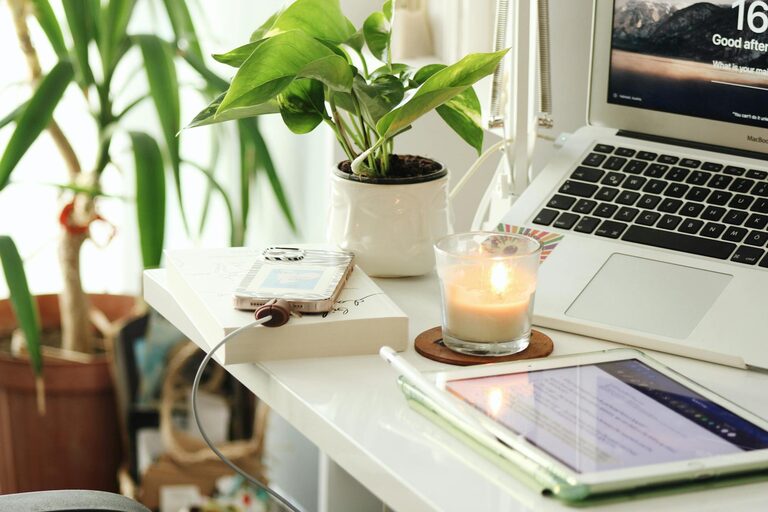
Creating a home office that feels both cozy and productive is essential for anyone working or studying from home. A well-designed workspace can help improve focus, reduce stress, and encourage better work habits. Whether you have a dedicated room or a small corner in your apartment, these tips will help you create an environment where you enjoy spending time and efficiently tackle your daily tasks.
Choose the Right Location
Finding the perfect spot for your home office is the first step. Ideally, choose a space that is quiet and away from distractions like the kitchen or living room. If space is limited, a corner in a bedroom or a nook near a window can work well.
– Look for natural light: Position your desk near a window to benefit from daylight. Natural light helps reduce eye strain and improves mood.
– Avoid noisy areas: If possible, select a place with minimal foot traffic and noise to maintain concentration.
– Consider privacy: If you share your home with others, choose a space where you can close the door or create a visual barrier.
Invest in Comfortable and Functional Furniture
Comfort plays a huge role in productivity. You will want furniture that supports good posture and suits the work you do.
– Ergonomic chair: Select a chair with adjustable height, lumbar support, and comfortable padding.
– Spacious desk: Ensure your desk is large enough for your computer, notebooks, and other necessary tools without clutter.
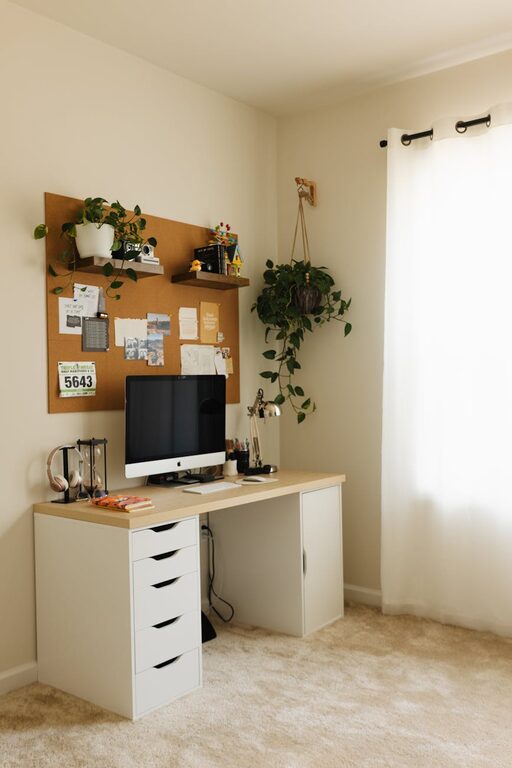
– Storage solutions: Include shelves, filing cabinets, or drawers to keep your workspace tidy and organized.
Use Effective Lighting
Proper lighting reduces eye fatigue and helps maintain focus.
– Combine natural and artificial light: Use daylight during the day and add desk lamps or overhead lighting for evening hours.
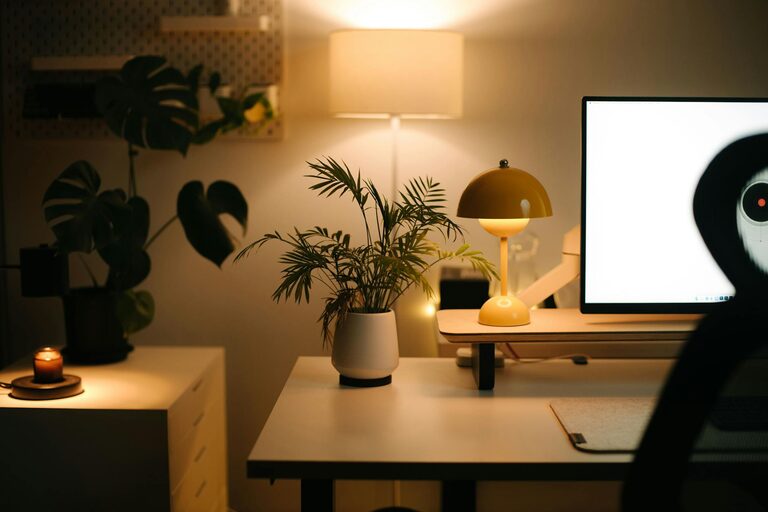
– Choose warm light bulbs: Warm, soft-white light creates a cozy atmosphere and is easier on your eyes compared to harsh daylight bulbs.
– Avoid glare: Position screens to reduce reflection and consider using curtains or blinds if sunlight is too strong.
Personalize Your Space
Adding personal touches can make your home office feel inviting and inspiring.
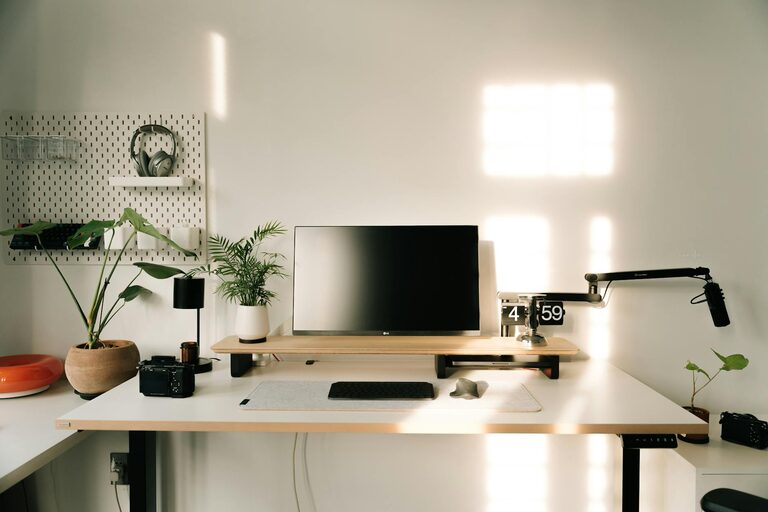
– Decorate with plants: Indoor plants improve air quality and contribute to a calming environment.
– Display inspiring items: Photos, artwork, or motivational quotes can boost your mood.
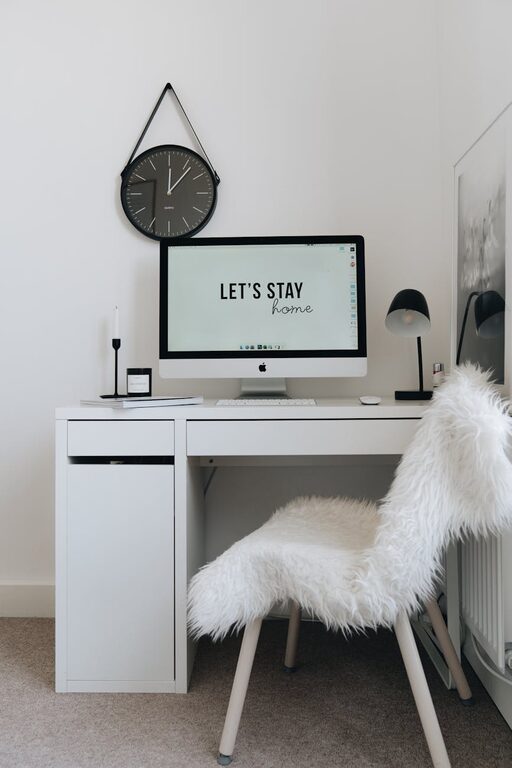
– Use colors wisely: Soft, neutral colors promote calmness, while brighter accents can energize and stimulate creativity.
Organize and Declutter
A clean and organized workspace supports focus and efficiency.
– Keep essentials within reach: Arrange your most-used items so you can access them easily.
– Use organizers: Desk trays, cable management tools, and pen holders help reduce clutter.
– Schedule regular tidying: Set aside a few minutes each day to clear your desk and organize papers.
Incorporate Technology Thoughtfully
Make sure your technology supports your workflow without causing frustration.
– Reliable internet: Ensure your connection is stable for video calls and research.
– Use accessories: A good keyboard, mouse, and monitor can improve comfort and productivity.
– Manage cables: Use clips or sleeves to keep wires neat and prevent tangling.
Create a Routine and Set Boundaries
Your home office should be a place where work gets done, separate from relaxation.
– Set work hours: Define when you start and finish your workday to maintain balance.
– Take breaks: Incorporate short pauses to stretch or walk around, which improves focus and health.
– Minimize distractions: Turn off non-work-related notifications and inform others about your work times.
Add Comfort Elements
Small additions can make long hours more pleasant.
– Cozy textiles: A soft rug, cushions, or a throw blanket add warmth and comfort.
– Temperature control: Use a fan, heater, or adjust windows to keep the room at a comfortable temperature.
– Refreshments nearby: Keep a water bottle or a cup of tea handy to stay hydrated.
Final Thoughts
Setting up a cozy and productive home office doesn’t require a complete overhaul or a big budget. By carefully selecting your location, investing in ergonomic furniture, managing lighting, and adding personal and organizational touches, you can create a workspace that boosts your efficiency and well-being. Remember to listen to your needs and adjust your space as you discover what works best for your routine and style. Happy working!